WAISTBEADS EDUCATION
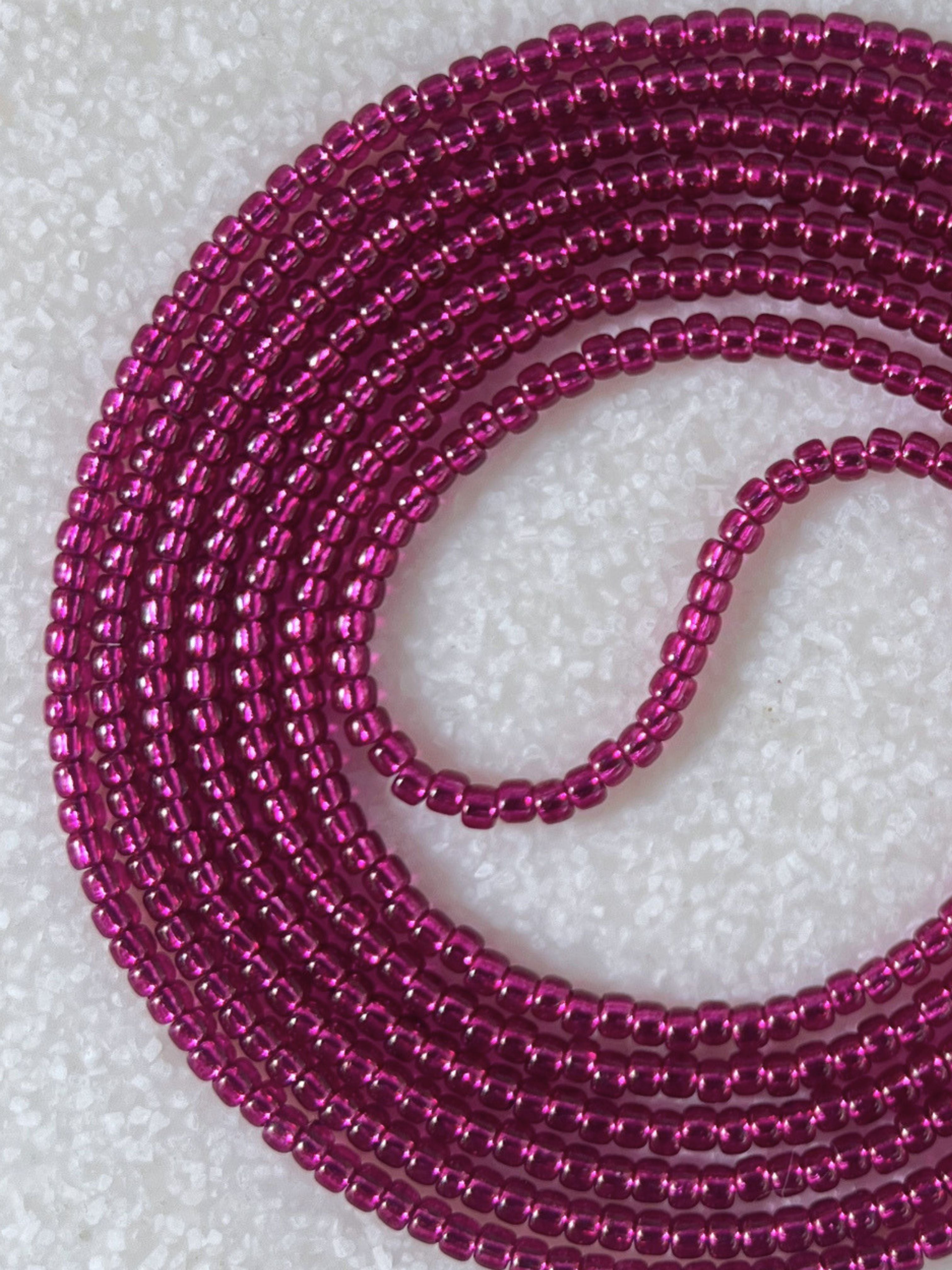
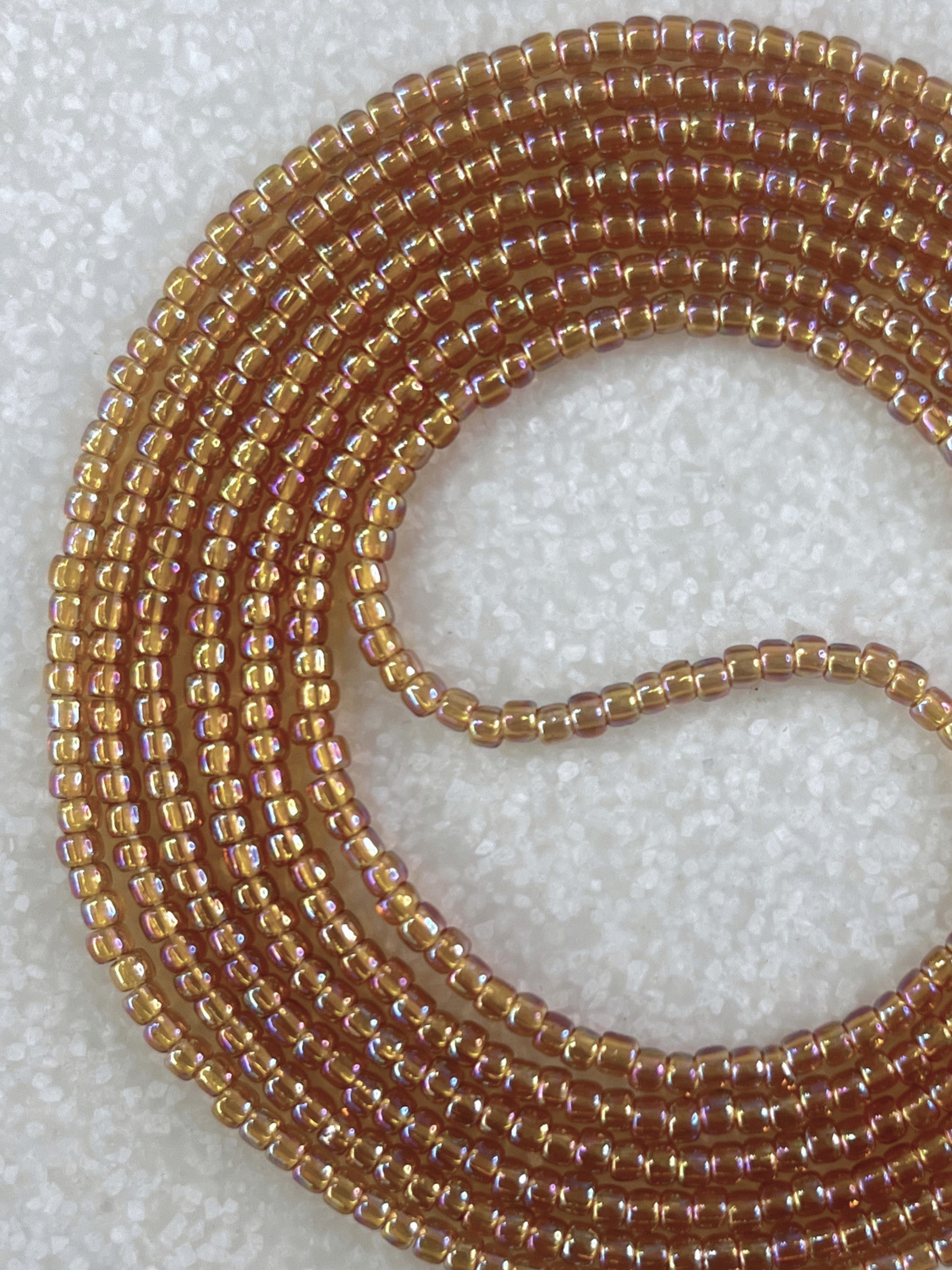
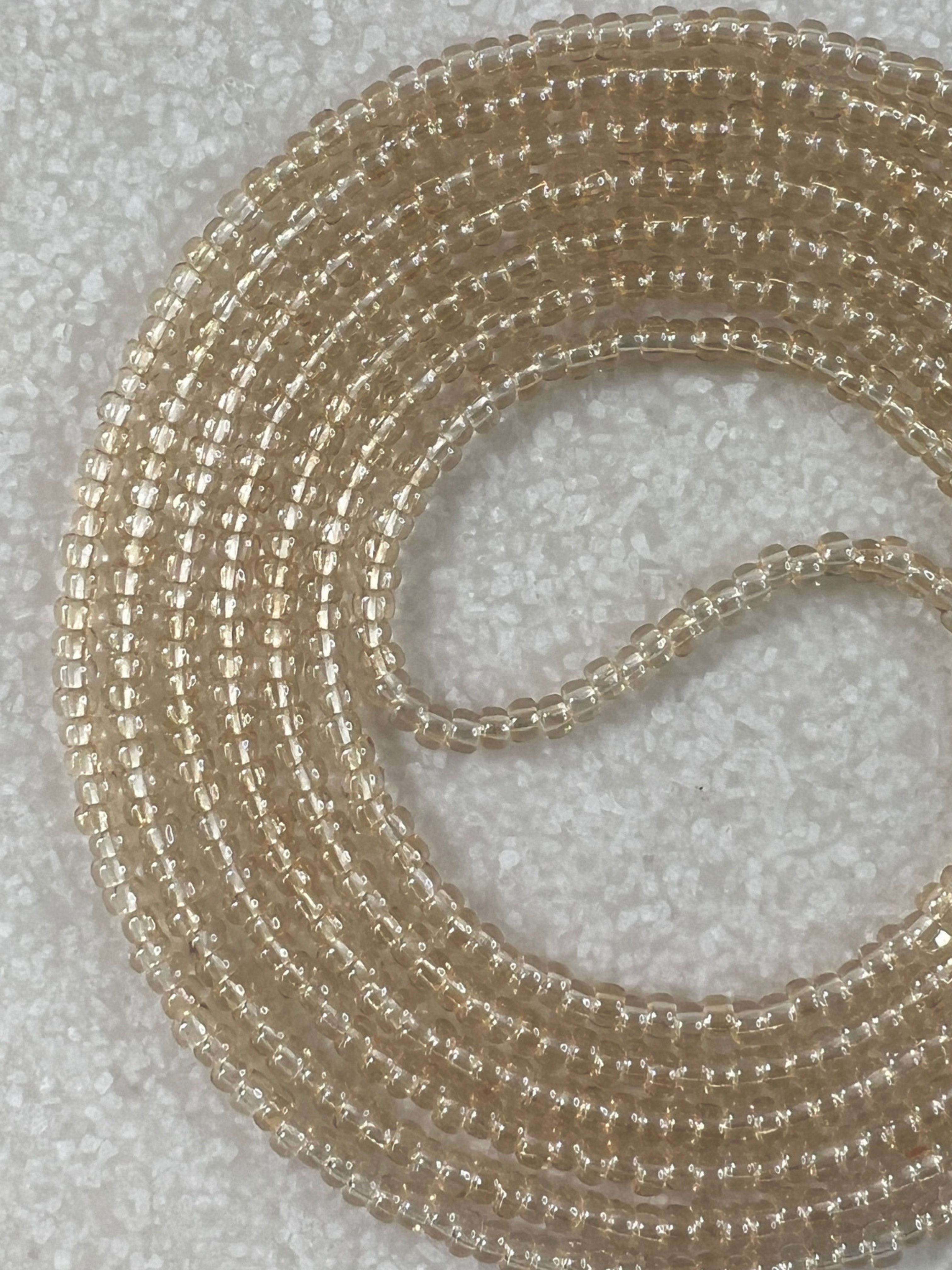
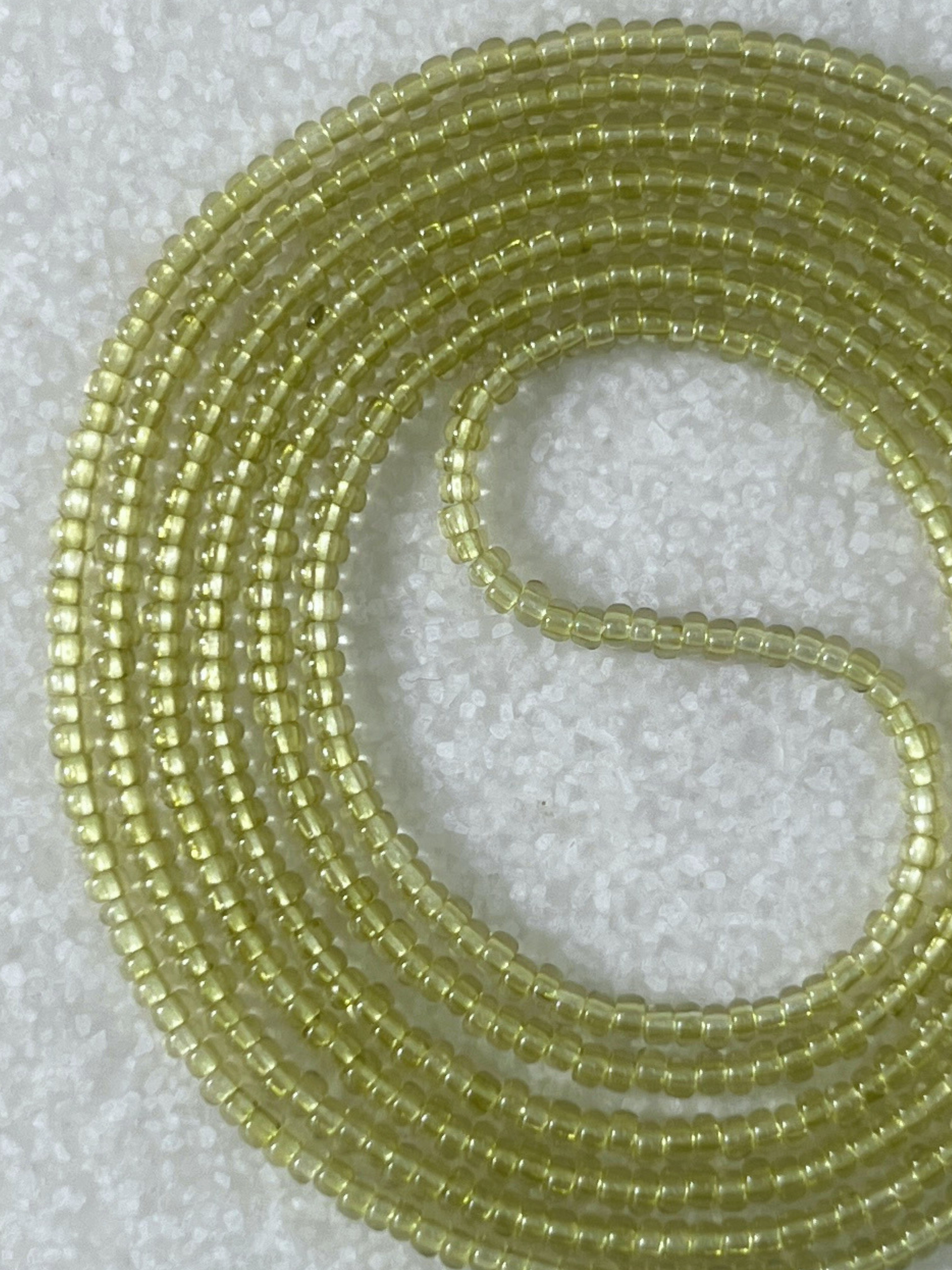
African Waistbeads are adornments that are worn between the waist and hips. They consist of glass beads that are strung on a thread or string. Waistbeads date as far back as Ancient Egypt but expanded around the West African culture in Yoruba tribes. In Africa, waistbeads began to be used by a number of different tribes and each tribe used waistbeads for their own individual purposes. They are deeply tied to womanhood, identity, lineage, spirituality, rites of passage, sensuality and fertility. Waist beads are a way to connect with and honor ancestral roots and cultural heritage.
Before you can understand cultural appropriation versus cultural appreciation, you must first learn the difference between traditional sacred uses of waistbeads and modern uses of waistbeads.
SACRED/TRIBAL VS MODERN WAISTBEADS
There are stark differences between traditional Sacred/Tribal uses of waistbeads vs Modern uses of waistbeads.
Sacred/Tribal waistbeads are used for sacred and/or tribal reasons such as rites of passage, fertility, fortification, wealth and status, and culture & heritage. Sacred/Tribal waistbeads are usually gifted by elders, blessed, tied in ceremony and not available commercially.
Modern uses are still connected with their traditional uses but without disrepecting their sacred/tribal significance. Modern uses of waistbeads include body awareness, weight management, self-love, intention setting, cultural representation and holistic healing. They are used as tools for health & wellness and are widely commercialized.
Both sacred and modern uses waistbeads are tied to African culture and origins. In some tribes/cultures waistbead wearing for sacred reasons is a closed practice. This means that claiming to wear waistbeads for rites of passage, fertility, and fortification, etc is not acceptable outside of their tribes.
This usually creates a debate and a grey area surrounding who can wear waistbeads and for what purpose.
Who can wear waistbeads?
EVERYONE. EVERYBODY. Well within reason... Most people that deter other races from wearing waistbeads aren't aware of the bridge that allows people everywhere to enjoy the culture without claiming the sacred parts.
The respectful middle ground looks like educating yourself on waistbeads and their historical and modern purposes, acknowledging their origin, not imitating sacred rituals, refraining from buying waistbeads that use language like “ancestral rites,” “initiation beads,” “fertility beads,” etc. unless they are being sold by someone culturally trained/authorized to sell them and unless you're a part of that culture.
(Also purchasing waistbeads from a non-black/non-African seller is highly frowned upon.)
Before you wrap and tie waistbeads get comfortable first with answering the following questions: Where did you purchase them, Where do waistbeads originate, and What are your intentions for wearing them.
Understanding the rich cultural history of waistbeads and honoring their origin is the difference between cultural appropriation and cultural appreciation. Do your research, educate yourself, and be respectful.
The MADE BY VENUS APPROACH
We are a Black-owned business, reclaiming our African connections. Our work is inspired by African history, not a reproduction of African customs.
We call our designs African-inspired, not African waistbeads, out of respect for the many African cultures whose beadwork holds specific meanings, rituals, and histories. Our creations are modern, African-inspired, and emphasizes empowerment.
Although we are inherently part of the African diaspora, our goal is to keep culture while maintaining respectful boundaries... while at the same time nurturing inclusivity and diversity.
Our waistbeads still honor femininity, still honor lineage, still honor body awareness, still honor ritual practice, and still honor connection to womanhood.
A modern approach, for an ancient tradition.
Featured collection
All Waistbeads